
"café charity"
70 article(s) found

How to make organic coffee the advantages of drinking organic coffee are compared with those of ordinary coffee.
Professional coffee knowledge exchange more coffee bean information please pay attention to coffee workshop (Wechat official account cafe_style) coffee beans-organic coffee is the attitude towards life foodie may not be able to eat the difference between machine vegetables and coffee bean-like vegetables, but there is no lack of experienced coffee fans say they can tell the good taste of organic coffee is different from ordinary coffee; but in most organic foods

Fair Trade Fair Trade Certification, a certification body for boutique coffee beans
Fairtrade coffee is mainly traded directly with local coffee farmers at a fair price. In a transparent management model and commercial form. The premise of ensuring the working environment of producers and protecting the local environment. At the same time, provide corresponding production technology and training, build bridges, schools, hospitals and other facilities. The aim is for sustainable development and poverty alleviation. Logo: yes

Know the Fine Coffee Bean Certification Organization: Fair Trade Fair Trade Certification
Fairtrade coffee is mainly traded directly with local coffee farmers at a fair price. In a transparent management model and commercial form. The premise of ensuring the working environment of producers and protecting the local environment. At the same time, provide corresponding production technology and training, build bridges, schools, hospitals and other facilities. The aim is for sustainable development and poverty alleviation. Logo: Fai

Fair Folks & a Goat sells coffee, as well as art, clothes and home designs.
Fair Folks a Goat sells coffee, but it doesn't sell pumpkin lattes. Then there's the big good news: for $25 a month, you can drink unlimited amounts of coffee, tea, lattes, espresso and lemonade. This unusual membership cafe also sells art, clothes, home designs, beer and wine. In the fall of 2012, it was in the United States.
Boutique coffee Rwanda coffee origin Rwanda coffee practice
Rwandans have been growing coffee since colonial times, but until 1999, its products were still classified as below Class C and were not popular in the global market. The reason for the poor quality is that farmers do not have a fixed procedure for washing coffee beans and do not process coffee fruits according to specifications in time. Buyers buy coffee beans at $0.33 per kilogram, and farmers keep warm by the meagre profits earned at low prices.
Fine coffee Rwanda coffee manor Rwanda coffee producing area
Rwandans have been growing coffee since colonial times, but until 1999, its products were still classified as below Class C and were not popular in the global market. The reason for the poor quality is that farmers do not have a fixed procedure for washing coffee beans and do not process coffee fruits according to specifications in time. Buyers buy coffee beans at $0.33 per kilogram, and farmers keep warm by the meagre profits earned at low prices.
A detailed introduction to the historical development and content of Fairtrade coffee certified by coffee beans in the world
Fairtrade coffee is mainly traded directly with local coffee farmers at a fair price. In a transparent management model and commercial form. The premise of ensuring the working environment of producers and protecting the local environment. At the same time, provide corresponding production technology and training, build bridges, schools, hospitals and other facilities. The aim is for sustainable development and poverty alleviation. Directory background

It's not enough to open cute cat cafes all over the world. Piggy cafes in Britain also come to join in the fun.
It's not enough for cat stars from all over the world to open cute cat cafes. Now British pig cafes are also joining in the fun. These well-intentioned people are all behind it to please customers! A five-day mini pig cafe experience recently opened in London, UK, attracting a large number of customers. The event will be held at Moomin Cafes in the eastern suburbs of the hipster gathering place. Customers can buy tickets to enter
Rwandan coffee is the best coffee in Rwanda.
Rwandans have been growing coffee since colonial times, but until 1999, the product was classified as below grade C and was not available on the global market. The reason for the poor quality is that farmers do not have a fixed procedure for cleaning coffee beans, and they do not process coffee fruits according to specifications in time. Buyers pay $0.33 a kilo for coffee beans, farmers keep warm on meager profits from low prices
Boutique Coffee Rwanda Coffee Manor 1756 members small farmers
Rwandans have been growing coffee since colonial times, but until 1999, its products were still classified as below Class C and were not popular in the global market. The reason for the poor quality is that farmers do not have a fixed procedure for washing coffee beans and do not process coffee fruits according to specifications in time. Buyers buy coffee beans at $0.33 per kilogram, and farmers keep warm by the meagre profits earned at low prices.

Boutique coffee Rwanda coffee flavor red apple, cherry, cinnamon, honey
Rwandans have been growing coffee since colonial times, but until 1999, its products were still classified as below Class C and were not popular in the global market. The reason for the poor quality is that farmers do not have a fixed procedure for washing coffee beans and do not process coffee fruits according to specifications in time. Buyers buy coffee beans at $0.33 per kilogram, and farmers keep warm by the meagre profits earned at low prices.

Fine coffee Rwanda coffee producing area Western Province Lutexiluo producing area
Rwandans have been growing coffee since colonial times, but until 1999, the product was classified as below grade C and was not available on the global market. The reason for the poor quality is that farmers do not have a fixed procedure for cleaning coffee beans, and they do not process coffee fruits according to specifications in time. Buyers pay $0.33 a kilo for coffee beans, farmers keep warm on meager profits from low prices

Fine coffee Rwanda coffee treatment method washing, elevated scaffolding sun drying
Rwandans have been growing coffee since colonial times, but until 1999, its products were still classified as below Class C and were not popular in the global market. The reason for the poor quality is that farmers do not have a fixed procedure for washing coffee beans and do not process coffee fruits according to specifications in time. Buyers buy coffee beans at $0.33 per kilogram, and farmers keep warm by the meagre profits earned at low prices.

Indonesia Aceh Mandning-Kayo Mountain Mandning Coffee Bean Taste Flavor Features Fair Trade Coffee
Professional coffee knowledge exchange More coffee bean information Please pay attention to coffee workshop (Weixin Official Accounts cafe_style) Indonesia is the largest archipelago country in the world. Arabica coffee planting was introduced as early as the Dutch rule in the 18th century. The main producing areas are located in Java Island and Sulawesi Island of Sumatra Island. The mantenin produced has a deep, low acidity and rich taste, which makes people call it
Rwanda Coffee Plantation Rwanda Coffee Region
Rwandans have been growing coffee since colonial times, but until 1999, the product was classified as below grade C and was not available on the global market. The reason for the poor quality is that farmers do not have a fixed procedure for cleaning coffee beans, and they do not process coffee fruits according to specifications in time. Buyers pay $0.33 a kilo for coffee beans, farmers keep warm on the meager margins they earn at low prices
Boutique coffee Rwanda coffee origin Rwanda coffee practice
Rwandans have been growing coffee since colonial times, but until 1999, its products were still classified as below Class C and were not popular in the global market. The reason for the poor quality is that farmers do not have a fixed procedure for washing coffee beans and do not process coffee fruits according to specifications in time. Buyers buy coffee beans at $0.33 per kilogram, and farmers keep warm by the meagre profits earned at low prices.
Boutique Coffee Rwanda Coffee Manor 1756 members small farmers
Rwandans have been growing coffee since colonial times, but until 1999, its products were still classified as below Class C and were not popular in the global market. The reason for the poor quality is that farmers do not have a fixed procedure for washing coffee beans and do not process coffee fruits according to specifications in time. Buyers buy coffee beans at $0.33 per kilogram, and farmers keep warm by the meagre profits earned at low prices.
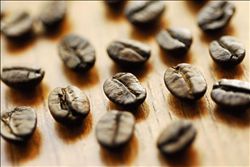
Fine coffee Rwanda Coffee introduces the characteristics of Rwanda Coffee
Rwandans have been growing coffee since colonial times, but until 1999, its products were still classified as below Class C and were not popular in the global market. The reason for the poor quality is that farmers do not have a fixed procedure for washing coffee beans and do not process coffee fruits according to specifications in time. Buyers buy coffee beans at $0.33 per kilogram, and farmers keep warm by the meagre profits earned at low prices.

Boutique coffee Rwanda coffee flavor red apple, cherry, cinnamon, honey
Rwandans have been growing coffee since colonial times, but until 1999, its products were still classified as below Class C and were not popular in the global market. The reason for the poor quality is that farmers do not have a fixed procedure for washing coffee beans and do not process coffee fruits according to specifications in time. Buyers buy coffee beans at $0.33 per kilogram, and farmers keep warm by the meagre profits earned at low prices.
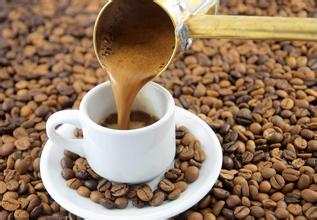
Boutique coffee Rwanda coffee producing area in the western province of Lutexilo
Rwandans have been growing coffee since colonial times, but until 1999, its products were still classified as below Class C and were not popular in the global market. The reason for the poor quality is that farmers do not have a fixed procedure for washing coffee beans and do not process coffee fruits according to specifications in time. Buyers buy coffee beans at $0.33 per kilogram, and farmers keep warm by the meagre profits earned at low prices.